Stockist home / Buying guides & tools / Retail margin LOOK BEYOND THE UNIT PRICE.
A clearer cost.A considered price. See the difference between landed cost, gross margin and contribution after selling fees. Use a listed style or your own figures, then adjust the assumptions for your store.
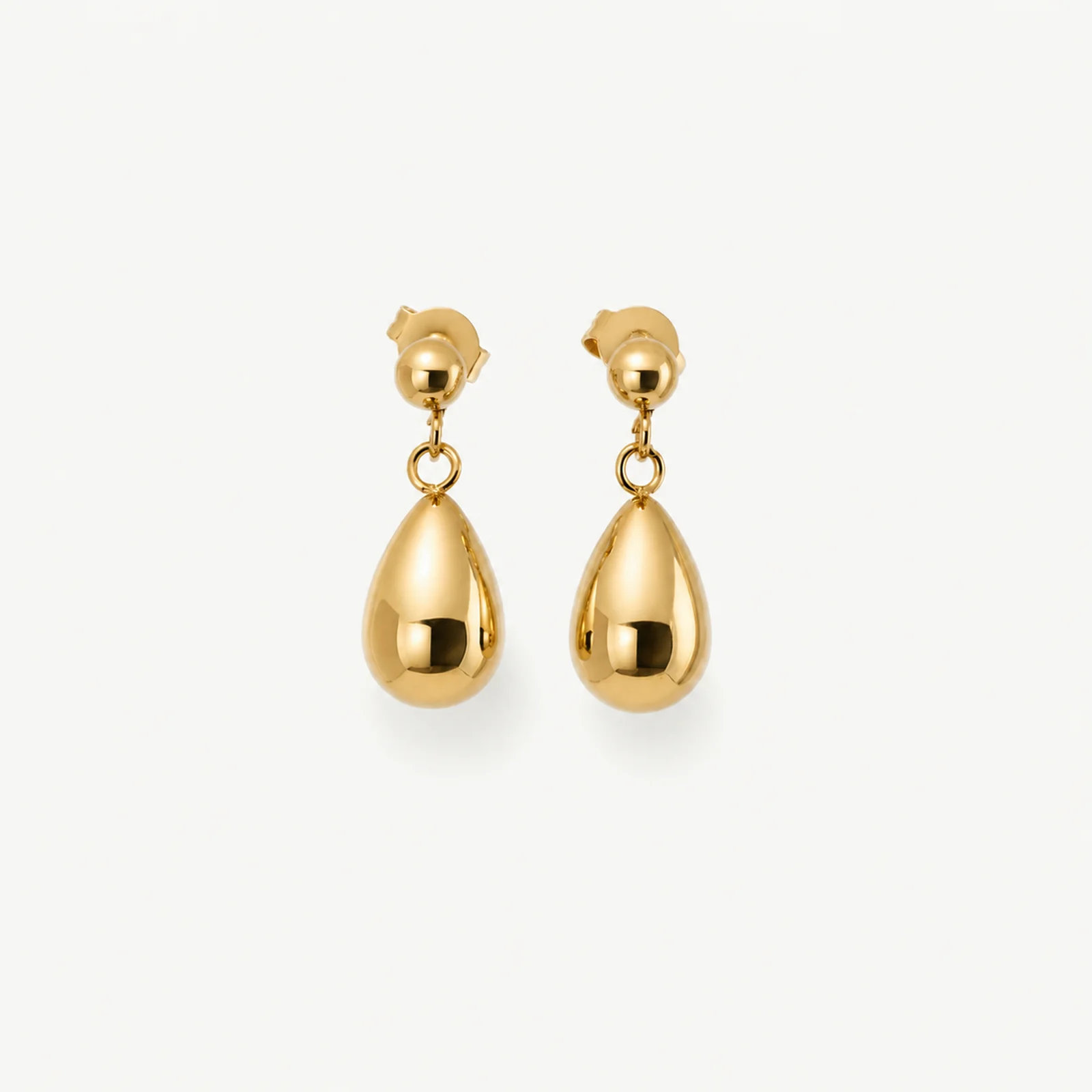
Work through a scenario ↓ E-090 · Gold Teardrop Dangle Earrings Reference price, your scenario. 01 / CHOOSE A REFERENCE
Start with a piece. Catalog styleMy own figures E-047 · 18k Gold Plated Hoop Earrings for Women R-038 · 18k Gold Plated Stainless Steel Band Ring Set E-179 · 18k Gold Plated Waterproof Stud Earrings R-442 · 2mm Gold Stacker Band Ring E-159 · Abalone Hoop Earrings E-123 · Afton Teardrop CZ Earrings B-012 · Aleah Watch Band Bracelet in 18k Gold Plated Stainless Steel A-005 · Anchor Chain Anklet R-571 · Angel Wing Ring E-105 · Anisa CZ Stud Earrings R-564 · Aria Tigers Eye Beaded Ring R-559 · Arlo Blue Stone Ring Set R-547 · Astra Eternity Ring R-590 · Athena Coin Signet Ring R-540 · Bar Lapis Lazuli Ring R-539 · Bar Tigers Eye Ring R-538 · Bar Turquoise Ring N-169 · Baroque Pearl Necklace B-059 · Beaded Solitaire Bracelet R-354 · Belen Ring R-463 · Big NO Ring E-176 · Black Onyx Drop Hoop Earrings E-147 · Blue Agate Stud Earrings for Women R-536 · Blue Emerald Cut Ring E-139 · Bold Huggie Hoops E-140 · Bold Huggie Hoops E-182 · Bubble Stud Earrings R-561 · Carved Stackable Band Ring in Gold R-508 · Celestial Star Wrap Ring E-062 · Charity Medium Hoop Earrings 26mm R-129 · Check Band Ring R-140 · Checkboard Band Ring N-209 · Chunky Baroque Pearl Necklace R-548 · Chunky Cats Eye Ring B-079 · Chunky Square Bangle E-111 · Chunky Teardrop Earrings B-032 · Chunky Two Tone Bracelet R-568 · Circle Pave Signet Ring B-049 · Classic Tennis Bracelet R-404 · Claw Wrap Ring B-053 · Clear Stones Bangle Bracelet R-550 · Cluster Sparkling Ring R-338 · Contour Gemstone Band Ring N-007 · Cora Curb Chain Necklace R-520 · Crystal Bead Ring N-157 · Crystal Bezel Station Necklace E-151 · Crystal Chain Hoop Earrings R-448 · Crystal Double Star Ring E-143 · Crystal Drop Hoop Earrings E-122 · Crystal Drop Hoop Earrings E-121 · Crystal Drop Hoop Earrings for Women N-210 · Crystal Fringe Necklace R-543 · Crystal Ribbed Ring R-516 · Crystal Slim Band Ring R-580 · Crystal Stackable Ring A-009 · Curb Chain Anklet N-168 · Curved Bar Necklace with CZ Leaf R-143 · CZ Band Ring for Women B-016 · Dainty Bangle Bracelet B-019 · Dainty Gold Tassel Chain Bracelet N-062 · Dainty Pearl Toggle Necklace N-039 · Dainty Poker Ace Necklace N-176 · Dainty Rice Bead Necklace R-570 · Dainty Rope Twist Ring N-196 · Dainty Solitaire Beaded Necklace N-207 · Dainty Solitaire Necklace R-352 · Dainty Sparkle Ring R-562 · Dainty Starburst Ring A-008 · Daisy Chain Anklet R-598 · Daisy Flower Band Ring R-558 · Dalmatian Double Band Ring R-456 · Divine Cross Ring N-145 · Dolphin's Kiss Pearl Pendant Necklace R-063 · Dome Ring A-003 · Double Layer Diamond-Cut Anklet R-414 · Double Loop Gold Ring E-098 · Double Pearl Hoop Earrings R-440 · Double Sparkle Link Ring R-408 · Double Twinkle Stacker Ring E-158 · Drop Earrings E-161 · Drop Earrings R-446 · Duality Glow Ring R-501 · Duo Spark Wrap Ring R-512 · Eden CZ Eternity Ring Set R-343 · Embrace Marquise Ring R-502 · Emerald Dot Wave Ring R-513 · Emerald Fidget Spinner Ring B-014 · Emerald Gem Curb Chain Bracelet N-046 · Emerald Gem Curb Chain Necklace N-155 · Emerald Gemstone Pendant Necklace, 18k Gold Plated Stainless Steel E-100 · Emerald Oval Stud Earrings R-514 · Emerald Slim Band Ring R-436 · Emerald Sparkle Ring N-041 · Emerald Stone Pendant Necklace B-072 · Emerald Teardrop Charm Bracelet B-057 · Emerald Tennis Bracelet R-518 · Emerald Triple Ring R-403 · Eternal Sparkle Band Ring R-443 · Eternity Crystal Ring R-511 · Eternity Ring N-156 · Eve Layered Necklace N-144 · Eve Layered Necklace N-146 · Eve Layered Necklace E-063 · Faith Chunky Large Hoops 48mm Gold Earrings R-554 · Fidget Spinner Ring A-012 · Fish Anklet R-375 · Flat Dots Band Ring N-029 · Flower Pendant Necklace N-171 · Flower Sand Dollar Necklace N-200 · Freshwater Pearl Station Necklace E-131 · Geo Loop Earrings B-062 · Gold Chain Bracelet B-066 · Gold Chain Bracelet B-039 · Gold Cuff Bracelet E-068 · Gold Dripping Hoop Earrings B-061 · Gold Heart CZ Station Bracelet E-118 · Gold Hoop Earrings N-075 · Gold Jade Comma Pendant Necklace E-149 · Gold Marquise Cluster Ear Climbers E-130 · Gold Pebble Stud Earrings R-397 · Gold Plated Band Ring R-424 · Gold Plated Cross Ring in Stainless Steel N-018 · Gold Plated Cubic Zirconia Tennis Necklace R-608 · Gold Plated Starfish Band Ring R-206 · Gold Plated Striped Mother of Pearl Ring B-031 · Gold Plated Vintage Celestial Bracelet with Pearl & Opal N-190 · Gold Sequin Fringe Necklace N-121 · Gold Square Beads Choker R-434 · Gold Stacking Ring with Zircon Stones E-090 · Gold Teardrop Dangle Earrings E-108 · Gold Teardrop Dangle Earrings R-245 · Grass Green Jade Band Ring E-148 · Green Agate Stud Earrings Gold Plated 4mm N-163 · Green Cat's Eye Cross Necklace R-526 · Green Cat's Eye Signet Ring R-233 · Green Cats Eye Ring E-152 · Green Jade Donut Hoop Earrings N-150 · Green Jade Gourd Necklace E-076 · Green Jade Hoop Earrings N-114 · Green Jade Loop Necklace E-153 · Green Sparkle Hoop Earrings R-595 · Green Stone Multi Row Ring R-542 · Green Stone Ribbed Ring B-007 · Greta Herringbone Bracelet R-506 · Gridline Band Ring B-073 · Half Emerald Half Beaded Bracelet R-460 · Half Frame Gem Ring B-043 · Half Pearl Gold Bracelet R-272 · Hammered Adjustable Ring R-494 · Hammered Multi Row Ring N-191 · Hammered Rectangle Necklace E-119 · Hammered Small Hoops N-133 · Hand of Stillness Necklace N-143 · Heart Pendant Necklace N-126 · Heart to Heart Necklace R-422 · Heart to Heart Ring Set A-010 · Herringbone Anklet R-369 · Herringbone Slim Band Ring N-140 · Hexa Spark Necklace E-061 · Hope Small Hoop Earrings 20mm R-498 · Hug Ring R-533 · Hugo Ring R-531 · Hugo Ring R-532 · Hugo Ring N-079 · Hypoallergenic 14k Gold Plated Crucifix Pendant Necklace N-024 · Hypoallergenic Old English Initial Tag Necklace R-553 · Hypoallergenic Tiger's Eye Cuff Ring R-400 · Hypoallergenic Waterproof Bypass Marquise Ring R-499 · Infinity Beads Ring E-185 · Interlocking Pave Hoops R-575 · Interwoven Chunky Band Ring N-008 · Isla Rope Necklace N-093 · Ivery CZ Pendant Necklace N-117 · Jade Cross Pendant Necklace N-167 · Jude Layered Necklace B-064 · Kiva Chain Bracelet B-011 · Kyle Bangle Bracelet R-339 · Labradorite & Black CZ Adjustable Ring R-342 · Labradorite Ring + Contour Gemstone Band R-311 · Lapis Lazuli Signet Ring B-056 · Leaf Bangle Bracelet R-462 · Leopard Ring R-242 · Light Green Jade Band Ring R-545 · Light Pink Jade Band Ring R-383 · Little Snake Textured Ring R-050 · Love Hug Ring R-182 · Love Wave Ring R-204 · Lyla White Jade Band Ring R-519 · Malachite Bead Ring N-137 · Malachite Empress Necklace: Gold Plated Pendant R-312 · Malachite Signet Ring R-537 · Marquise Charm Ring R-331 · Marquise Cut Solitaire Ring in Hypoallergenic 316L Stainless Steel R-449 · Marquise Sleek Ring N-023 · Mata Snake Chain Necklace R-444 · Midnight Kiss Ring R-573 · Milgrain Half Eternity Band Ring E-104 · Mini Pave Huggie Hoops R-546 · Mint Green Jade Stacking Ring R-305 · Mixed Band Ring B-078 · Mixed Cut Diamond Bracelet R-599 · Mixed Cut Three Stone Ring R-357 · Mixed Harmony Ring R-327 · Mixed Metal 2-Link Chain Ring E-171 · Mixed Metal Double Hoop Earrings R-585 · Mixed Multi Row Hammered Ring R-441 · Mixed Thin Ring E-181 · Molten Stud Earrings R-435 · Moonface Signet Ring R-558 · Mother of Pearl Eternity Ring N-198 · Mother of Pearl Heart Necklace R-458 · Mother of Pearl Statement Signet Ring B-029 · Multi Layered Snake Chain Bracelet R-504 · Mystic Face Ring N-011 · Nameplate Necklace R-602 · Negative Space Ring E-170 · Nerida Mother of Pearl Hoop Earrings B-020 · Niko Twisted Cuff Bracelet N-208 · North Star Layered Necklace R-525 · North Star Ring R-445 · Ocean Spirit Ring R-438 · Olive Sparkle Ring R-429 · Open Hands Ring B-060 · Orbit Mixed Cuff Bracelet R-555 · Orbit Mixed Two-Tone Ring N-101 · Oval Blue Petals Pendant Necklace R-528 · Oval Bypass Wrap Ring N-068 · Oval Jade Necklace R-109 · Oval Jade Ring R-417 · Oval Lapis Ring N-186 · Oval Moonstone Necklace R-509 · Oval Pave Duo Ring Set N-153 · Oval Pendant Emerald N-81 · Oval Pendant Necklace A-011 · Paperclip Chain Anklet N-174 · Paperclip Chain Necklace R-569 · Paperclip Ring R-496 · Pave Band Ring N-127 · Pave Little Heart Necklace R-530 · Pear Bezel Signet Ring N-165 · Pear Bezel Teardrop Necklace R-601 · Pear Cluster Ring E-102 · Pear CZ Huggies B-051 · Pearl Bangle Bracelet R-399 · Pearl Crown Ring + Arch Band Ring Set R-221 · Pearl Fidget Ring R-280 · Pearl Stacker Ring A-013 · Pearl Station Anklet B-017 · Pearl Toggle Bracelet R-391 · Pebble Statement Band Ring N-148 · Pendant Necklace N-131 · Pendant Necklace R-427 · Peridot & White CZ Wave Ring N-189 · Personalized Cross & Birthstone Necklace B-021 · Personalized Gold Name Cuff Bracelet R-535 · Pink Emerald Cut Ring E-126 · Promise Knots Earrings R-469 · Puffy Coil Ring R-544 · Purple Jade Band Ring B-055 · Pyramid Bangle N-160 · Rainbow Rice Bead Chain Necklace E-174 · Rainbow Stone Hoop Earrings R-527 · Red Enamel Stacking Ring B-050 · Ribbed Crystal Bangle Bracelet R-246 · Ribbed Thin Band Ring A-014 · Rice Bead Anklet N-175 · Rice Bead Necklace R-597 · Ripple CZ Eternity Band R-471 · Rolling Orbit Ring R-187 · Royal Knight Ring with Amazonite N-203 · Royal Marquise Turquoise Necklace B-071 · Ruby and Emerald Charm Bracelet R-515 · Ruby Slim Band Ring R-565 · Ruby Stacking Ring N-201 · Saint Benedict Medal Necklace R-601 · Scallop Shell Band Ring R-301 · Sculpted Ring R-326 · Silver Starburst Band Ring R-314 · Single Wave Ring E-086 · Small Chunky Hoops E-141 · Small Hammered Hoop Earrings in Gold Stainless Steel E-113 · Small Pearl Hoop Earrings B-069 · Snake Head Chain Bracelet A-006 · Snowflake Anklet N-017 · Sofia Chain Necklace N-138 · Soft Herringbone Chain Necklace N-149 · Solar Pendant Necklace B-034 · Solitaire Curb Chain Bracelet R-497 · Solitaire Wrap Ring R-593 · Spinner Fidget Ring R-588 · Spiral Bypass Ring R-428 · Spiral Pear-Cut Ring R-370 · Split Shank Wave Ring N-92 · Square Chainlink Necklace R-320 · Square Emerald Ring E-155 · Square Jade Hoops B-028 · Square Rhinestone Cuff Bracelet R-560 · Stackable Band Ring R-602 · Stackable Gold Plated Stainless Steel Ring Set R-507 · Stackable Heart Ring E-133 · Stainless Steel Gold Hoop Earrings with Star Details A-007 · Star Chain Anklet R-534 · Star Eternity Band Ring N-097 · Starry Abalone Pendant Necklace R-464 · Statement Flow Ring B-040 · Stella Chain Bracelet R-549 · Stellar Band R-265 · Striped Mother of Pearl Ring E-178 · Stud Earrings for Women R-303 · Sun Band Ring R-009 · Sun Loop Ring N-027 · Sun Necklace R-523 · Sunburst Open Ring E-183 · Sunburst Pearl Stud Earrings R-468 · Sunrise Arc Ring N-088 · T-Bar Curb Chain Necklace R-158 · Tarnish-Free Waterproof 18k Gold Plated Stacker Ring E-145 · Teardrop Crystal Ear Jacket B-038 · Teardrop Curve Bracelet E-109 · Teardrop Dangle Chain Earrings B-048 · Tearlight Design Cuff Bracelet R-465 · Tearlight Hug Ring B-035 · Tennis Bracelet R-470 · Tennis Chain Ring R-103 · The Band Ring R-360 · Thick Double Wave Ring B-081 · Thin Cuff Bracelet R-115 · Thin Dome Ring E-132 · Tiger Eye Drop Hoop Earrings for Women R-521 · Tiger's Eye Band Ring R-556 · Tiger's Eye Bypass Ring N-096 · Tiger's Eye Heart Necklace R-551 · Tiger's Eye Heart Ring N-106 · Tiger's Eye Pendant Necklace R-172 · Tiger's Eye Ring R-407 · Tiger's Eye Ring R-377 · Tiger's Eye Statement Ring N-147 · Timeless Bond Necklace N-91 · Tiny Black Onyx Necklace R-418 · Tiny CZ Stacker Ring R-586 · Tiny Green Stone Stacking Ring N-132 · Tiny Pave Cross Necklace R-602 · Toi et Moi Cluster Ring R-346 · Trilliant Cut Gemstone Ring E-184 · Trio Crystal Hoop Earrings R-596 · Trio Stacking Ring Set E-169 · Triple CZ Drop Earrings B-070 · Triple Hearts Charm Bracelet R-572 · Triple Link Rectangle CZ Ring R-473 · Triple Link Solitaire Ring R-581 · Triple Marquise CZ Band Ring E-154 · Triple Pearl Hoop Earrings R-591 · Triple Stone Hammered Ring R-557 · Turquoise Bypass Ring N-100 · Turquoise Sun Necklace B-052 · Twinkle Bangle E-172 · Twinkling Chain Earrings R-567 · Twinkling Eternity Fidget Ring N-202 · Two Tone Carabiner Necklace R-566 · Two Tone Gold & Silver Band Ring E-126 · Two Tone Small Hoop Earrings R-603 · Two-Tone Pear Ring R-589 · Two-Tone Sunburst Signet Ring B-005 · Uma Bracelet R-461 · Vera Curve Twin Ring R-329 · Victorian Engraved Ring N-122 · Vintage Black Onyx Starburst Charm N-158 · Vintage Mother of Pearl Pendant Necklace N-164 · Vintage Pearl Pendant Necklace R-145 · Vintage Waterproof Stainless Steel Ring R-068 · Vivi Thin Ring R-505 · Vowline Band Ring N-154 · Wade Malachite Necklace E-180 · Waterproof Croissant Dome Stud Earrings R-606 · Waterproof Gold Signet Ring with Radiant Crystal R-457 · Wave Ring R-472 · Waveform Band Ring B-080 · Wavy Pear Cuff E-173 · White Baguette Ear Cuff N-095 · White Heart Necklace R-241 · Yellow Jade Band Ring Exact catalog optionStandard option · E-090
Variant E-090 · $18.40 wholesale · $46.00 MSRP reference
Only listed immediate options are shown. Selecting a style does not reserve stock. Catalog checked September 29, 2026.
YOUR EDITABLE SCENARIO
What is leftafter the costs? Assumes all modeled units sell at the entered discounted price. Figures are estimates before overheads, returns and unsold stock.
Landed cost / unit —
Gross margin —
Markup on landed cost — Planned contribution after selling costs
— — / unit See the calculation +
Modeled selling revenue —
Goods at wholesale —
Inbound shipping + import costs —
Preparation / packaging —
Gross profit before selling costs —
Percentage selling fees —
Fixed transaction fees —
Other variable selling costs —
Contribution is not net profit. Rent, wages, unsold inventory and returns are outside this scenario. Blank or $0 costs are assumptions, not confirmed free services.
Add this SKU to my enquiry → Review your enquiry →
Ready to shape the order?Build a first-order edit → READ THE NUMBERS CLEARLY
Three differentquestions. Landed cost. Wholesale goods + inbound shipping/import costs + preparation. Divide the order totals by the number of units once. Confirm actual prices and minimums →
Gross margin and markup. Gross profit is discounted revenue minus landed cost. Gross margin divides by revenue; markup divides by landed cost. The denominators are different.
Contribution. Deduct the entered selling fees and variable selling costs from gross profit. This leaves a modeled contribution toward overheads. Ask about packaging costs →
Cost and pricing questions. What is included in landed unit cost?+ The wholesale unit price plus a share of inbound shipping and import costs, plus preparation or packaging per unit. Enter extra costs only once. If a quoted product price already includes a cost, do not add it again.
How are gross margin and markup different?+ Gross margin divides the gross profit by the discounted selling revenue. Markup divides it by the landed cost. This calculator uses landed cost for both, before selling fees. When the relevant denominator is zero, the percentage is not defined.
Is the contribution estimate net profit?+ No. Contribution subtracts the entered percentage selling fee, fixed fees per sales transaction and other variable selling costs from gross profit. Rent, wages, unsold stock, returns and other overheads are not included.
Does MSRP guarantee that I can sell at that price?+ No. MSRP is the catalog’s suggested retail reference. Your store sets its selling price. The calculator is an editable scenario assuming the modeled units sell at the price you enter; it is not a sales forecast or a profit guarantee.
What if I do not know the shipping or packaging cost?+ Leave an unknown cost blank to see a provisional scenario using zero for that field. A blank or zero fee is not proof that the actual charge is zero. Confirm the actual charges and update the scenario before buying.
Enable JavaScript to calculate your scenario. The definitions above explain the formulas; email STYLR to confirm product, shipping and packaging details.